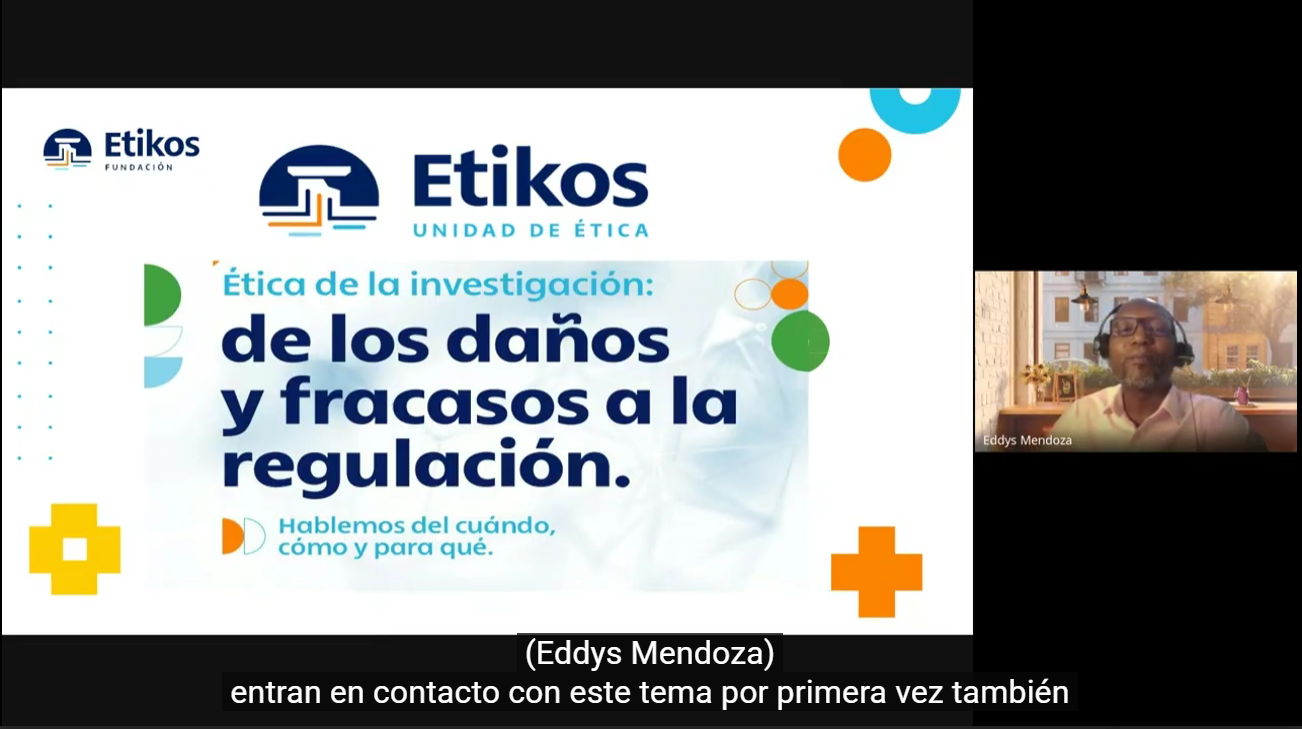
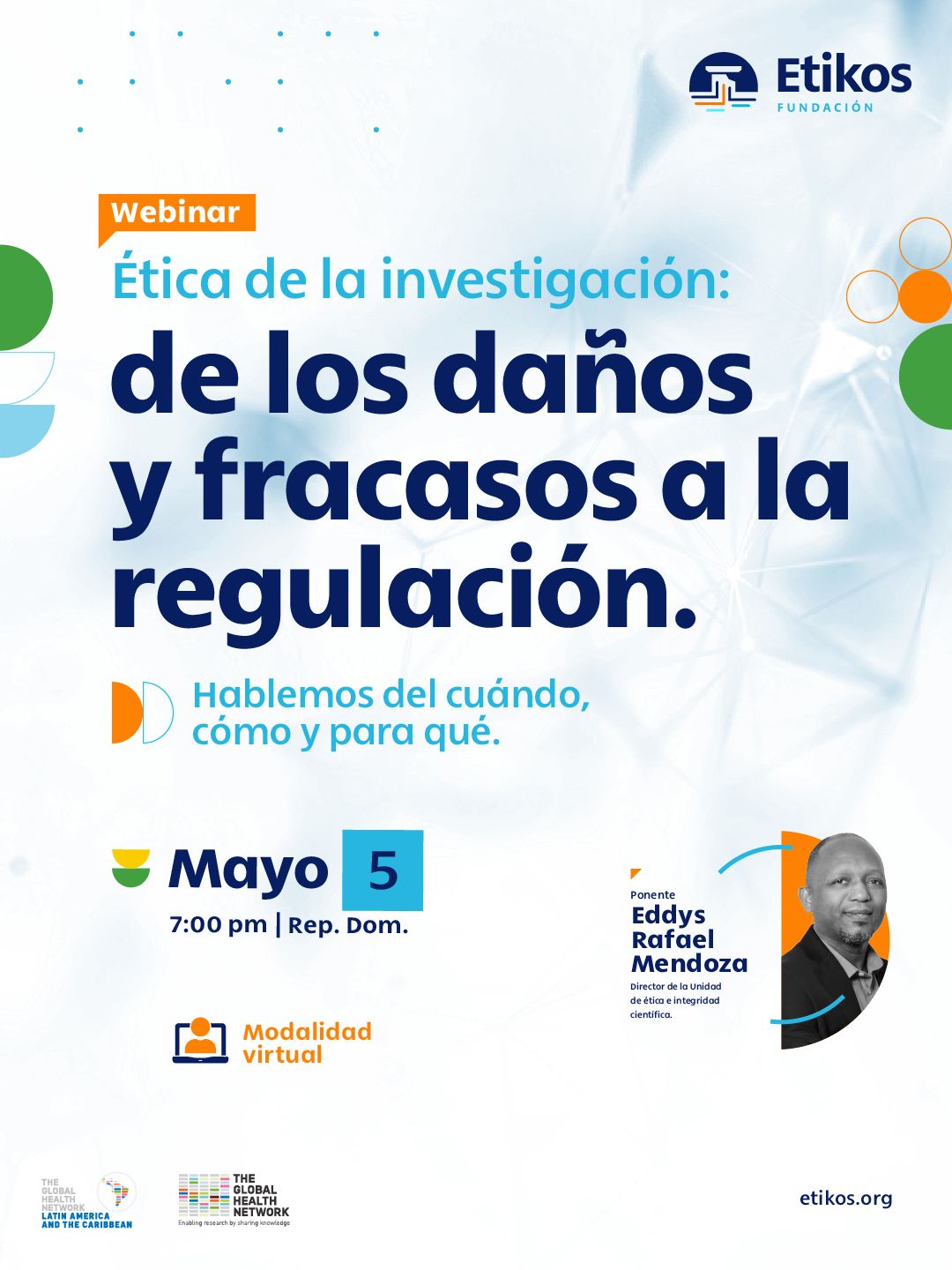
Hablemos del cuándo, cómo y para qué de la regulación científica.
Cada regla y pauta en la ética de la investigación es una lección aprendida. Para aplicar la ética con integridad, no basta con conocer las normas; es fundamental entender de dónde vienen y cuál es su verdadero propósito.
Este webinar es un viaje a los orígenes de la regulación ética para responder a las preguntas clave que todo investigador, docente y estudiante debe hacerse.
Ponente Experto
- Eddys Rafael Mendoza: Director de la Unidad de Ética e Integridad Científica de la Fundación Etikos.
Dirigido a:
Investigadores, docentes universitarios, estudiantes, editores de revistas científicas, miembros de comités de ética y gestores académicos.
Detalles del Evento
- 🗓️ Fecha: Martes, 5 de mayo
- 🕖 Hora: 7:00 p.m. (hora de República Dominicana)
- 💻 Modalidad: Virtual
Los resultados de este evento desarrollado por la Fundación Etikos sobre ética de la investigación, enfocado en el análisis de su evolución histórica y los marcos normativos que rigen las prácticas científicas actuales.
En el evento se registraron 36 personas que manifestaron gran interes, de los cuales 25 son de sexo femenino y 11 de sexo masculino.
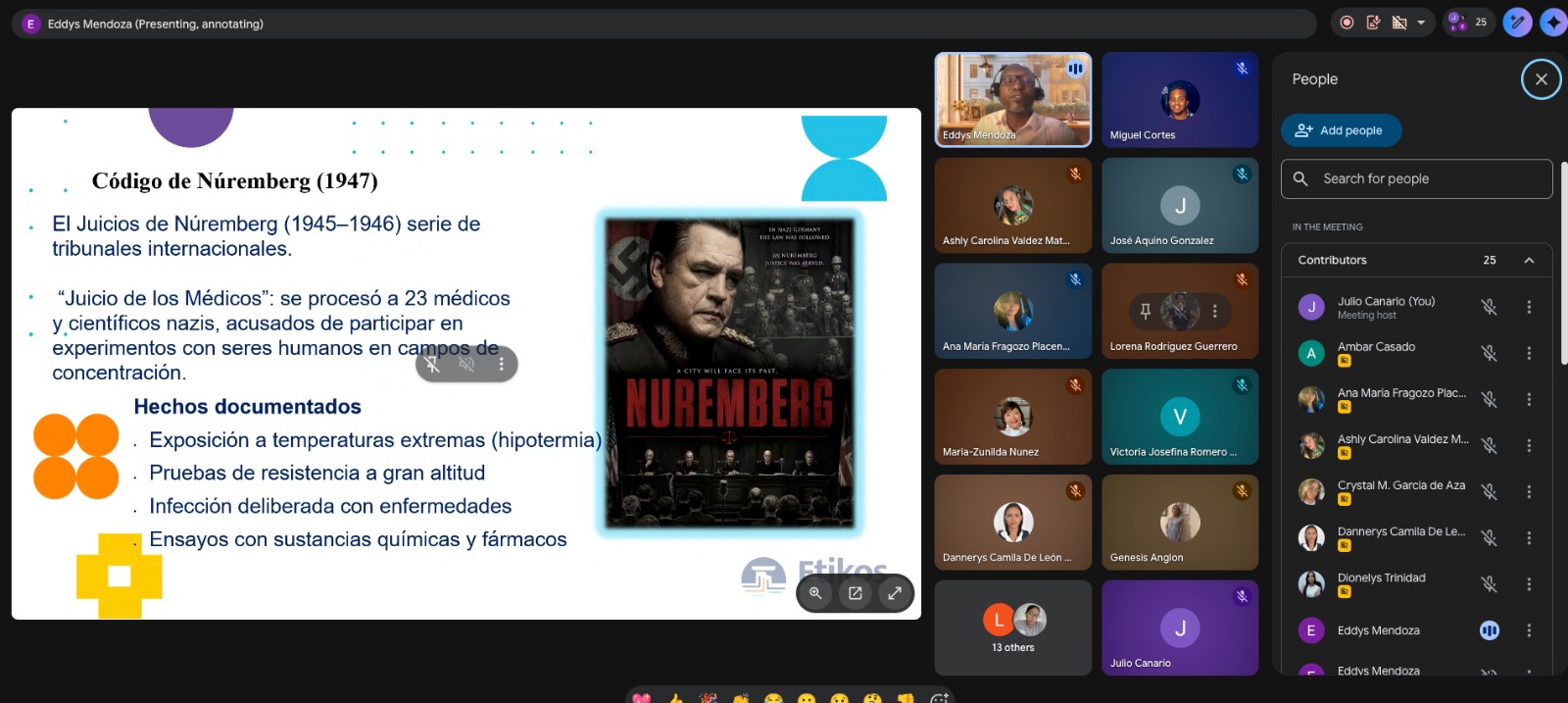
El evento abordó los principales hitos que dieron origen a la regulación ética, incluyendo casos históricos de abusos que llevaron a la creación de normativas como el Código de Núremberg y la Declaración de Helsinki. Asimismo, se destacó el papel del Informe Belmont en la consolidación de principios fundamentales como la autonomía, la beneficencia y la justicia, orientados a la protección de los participantes en estudios científicos.
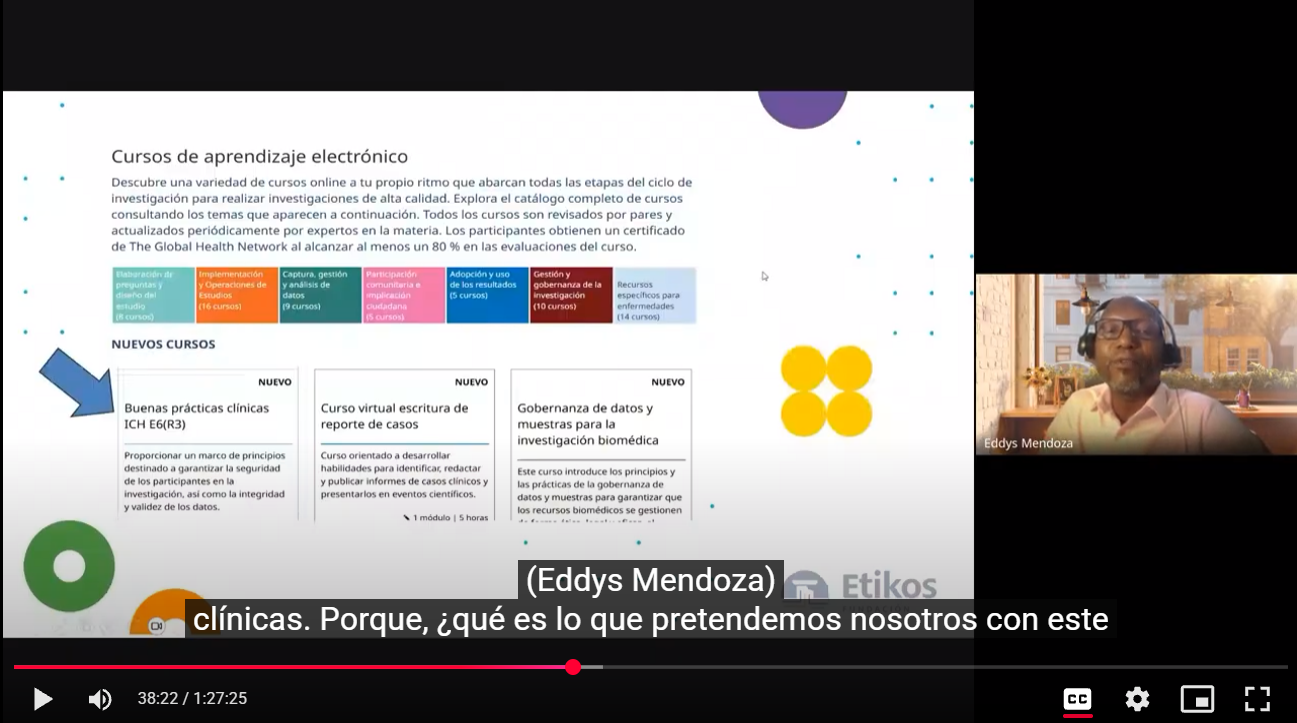
Durante la sesión, se enfatizó la importancia de integrar la ética como un componente esencial en la práctica investigativa, más allá de su carácter normativo, promoviendo una cultura ética continua en el ámbito académico y profesional. También se presentó The Global Health Network (TGHN) como una plataforma clave para el fortalecimiento de capacidades mediante formación en buenas prácticas clínicas y ética en investigación.
La participación en este tipo de espacios reafirma el compromiso de Fundación Etikos con el desarrollo de competencias en investigación responsable y la promoción de una cultura ética sólida en salud y salud global.
Este seminario tuvo un gran alcanse ya que el numero registrado fue alcansado exitosamente, por lo que reconocemos el alto impacto que hemos venido teniendo al brindar este tipo de informacion oportuna para la formacion academica de muchos estudiantes y en la práctica profecional.